


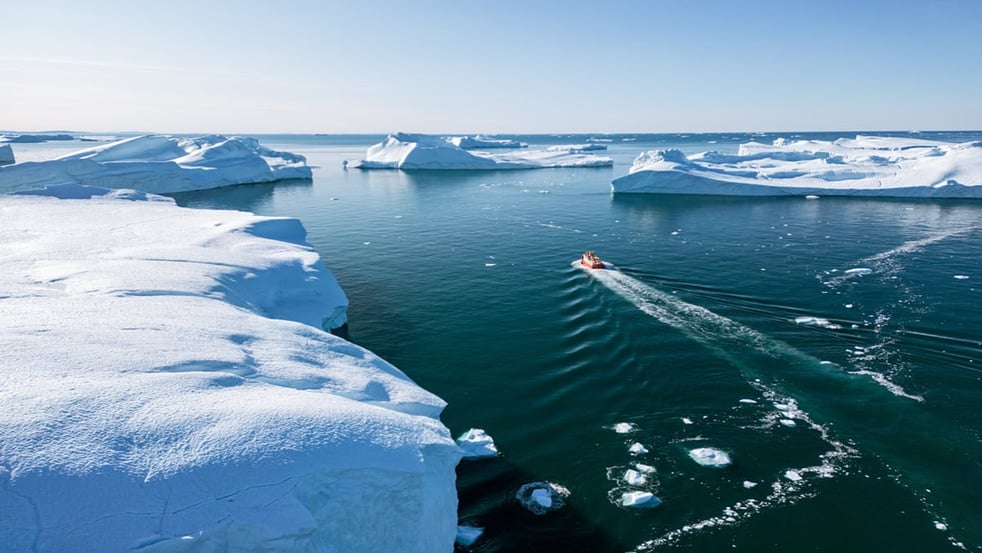
Operations in the Arctic and Antarctic regions present unique navigational, operational, and environmental challenges that require thorough preparation and careful risk management. Extreme weather conditions, ice-covered waters, limited infrastructure, and the remoteness of these regions make polar voyages significantly more demanding than conventional trading routes. Shipowners, operators, masters, and crews must therefore ensure that vessels and personnel are adequately prepared before entering polar waters.
Vessel preparation
The suitability of a vessel for polar operations is a fundamental consideration. Ships trading in ice-infested waters should possess an appropriate ice-class certification corresponding to the anticipated ice conditions throughout the voyage. Hull structures, particularly in vulnerable areas such as the bow and waterline, should be suitably reinforced to withstand potential impacts from ice. Equally important are measures to maintain vessel habitability and operational capability in extreme cold. Effective heating systems and adequate insulation are essential not only for crew welfare but also to ensure the reliable functioning of machinery, navigation equipment, and critical shipboard systems.
Given the increased likelihood of equipment failures in severe environmental conditions, vessels should be fitted with redundant systems wherever practicable. Backup arrangements for power generation, navigation equipment, communications systems, and other essential services can significantly enhance operational resilience and reduce the consequences of a single-point failure.
Crew readiness and competence
The competence and preparedness of the crew play a crucial role in the safe conduct of polar voyages. Personnel serving aboard vessels operating in polar waters should be properly trained in accordance with the International Maritime Organization (IMO) Polar Code requirements. Such training provides seafarers with an understanding of ice navigation, environmental protection obligations, cold-weather survival, and emergency procedures specific to polar regions.
Appropriate personal protective equipment should be provided for all crew members. This includes thermal clothing, insulated gloves, suitable footwear, and emergency immersion or survival suits designed to protect personnel from extremely low temperatures and cold-water exposure. Medical preparedness should also receive particular attention, as access to external assistance may be delayed due to the remoteness of these areas. Vessels should therefore carry enhanced medical supplies, while crew members should receive suitable training in emergency medical response and casualty care.
Navigation and ice management
Safe navigation in polar regions depends heavily on accurate situational awareness and effective ice management. Masters and navigating officers should make use of the latest ice charts, satellite imagery, and meteorological information available from recognised authorities and services. Access to real-time ice data enables voyage plans to be adjusted in response to changing conditions and assists in avoiding areas presenting unacceptable levels of risk.
Operators should also consider engaging experienced ice navigators or ice pilots when operating in challenging ice conditions. Their expertise can significantly enhance decision-making and contribute to safer passage planning and execution.
Modern navigational technology plays an important supporting role in ice operations. Ice radar systems can assist in identifying and monitoring ice formations, while forward-looking sonar equipment may provide additional warning of submerged hazards that are not readily detectable through conventional navigation methods.
Weather and environmental considerations
Weather patterns in polar regions are often unpredictable and can change rapidly. Continuous monitoring of weather forecasts and environmental conditions is therefore essential throughout the voyage. Masters should remain alert to the possibility of sudden storms, polar low-pressure systems, and persistent fog, all of which can adversely affect visibility and vessel manoeuvrability.
Voyage planning should also take into account the unique daylight conditions experienced in high latitudes. Depending on the season, vessels may encounter extended periods of continuous daylight or prolonged darkness, each presenting distinct challenges for navigation, watchkeeping, and crew fatigue management.
Regulatory compliance and environmental protection
Compliance with the IMO Polar Code is mandatory for vessels operating in polar waters and forms a cornerstone of safe and environmentally responsible operations. The Code establishes requirements relating to ship design, equipment, operational procedures, environmental protection, and crew competence.
In addition to international requirements, operators should ensure that all relevant permits, notifications, and reporting obligations imposed by coastal and flag states are satisfied prior to commencing the voyage. Depending on the area of operation, authorities in countries such as Norway, Canada, or Russia may impose additional requirements. Operations in Antarctic waters may also be subject to regulations established under the Antarctic Treaty System.
Environmental stewardship remains a critical responsibility in these fragile ecosystems. Strict controls generally apply to waste management, discharges, fuel usage, and interactions with wildlife. Masters and operators should ensure that all personnel understand and comply with applicable environmental protection measures.
Emergency preparedness and self-sufficiency
One of the defining characteristics of polar operations is the limited availability of search and rescue (SAR) resources. Due to vast distances, severe weather conditions, and minimal infrastructure, external assistance may not be immediately available during an emergency. Consequently, vessels operating in polar waters must be capable of a high degree of self-sufficiency.
Emergency response plans should be specifically adapted for polar conditions and regularly exercised by the crew. Particular consideration should be given to abandon-ship procedures, including the deployment and use of survival craft in ice-covered waters. Reliable communication systems are equally important. Satellite communications, Emergency Position Indicating Radio Beacons (EPIRBs), and other emergency signalling devices should be maintained in operational readiness throughout the voyage.
Voyage and operational planning
Careful voyage planning is essential to the success of any polar operation. Seasonal variations in ice conditions significantly influence the accessibility of different regions, and voyages should be scheduled within recognised navigation windows whenever possible. In general, Arctic navigation is most feasible during the period from July to September, while Antarctic operations are commonly conducted between November and March.
Route selection should be based on comprehensive risk assessments and the latest available ice information. Areas known for heavy ice concentrations or other navigational hazards should be avoided wherever practicable. Given the dynamic nature of ice conditions, contingency plans should also be developed, including alternative routes and procedures to address potential ice blockages, adverse weather events, or mechanical failures.
Crew training requirements for polar operations
Effective training is vital to ensuring that crews can safely operate in the demanding polar environment. The IMO Polar Code and associated STCW requirements establish minimum training standards, but operators should consider additional familiarisation and practical exercises to enhance preparedness.
Training begins with regulatory compliance. Personnel operating in polar waters should complete Basic Polar Waters Training in accordance with STCW Regulation V/4-1. This training introduces crew members to the characteristics of ice, navigation in ice-covered waters, cold-weather survival techniques, environmental protection measures, and emergency response procedures relevant to polar operations.
Masters, chief mates, and officers responsible for navigational watches must additionally complete Advanced Polar Waters Training under STCW Regulation V/4-2. This advanced instruction focuses on voyage planning in ice conditions, operations involving icebreaker escorts, risk assessment methodologies, mitigation strategies, and the coordination of search-and-rescue activities in remote regions.
Safety and survival training should emphasise the prevention and management of hypothermia, correct use of immersion suits and thermal protective equipment, and emergency evacuation procedures. Crews should also be familiar with the deployment of lifeboats and life rafts in ice-covered waters, as well as coordination procedures for potential helicopter rescue operations. Firefighting techniques may require additional adaptation to address challenges posed by freezing temperatures, frozen equipment, and restricted water supplies.
Technical and operational training should address ice navigation, including the interpretation of radar returns in ice conditions, the use of ice charts and satellite imagery, and manoeuvring techniques for operating safely in pack ice and natural ice leads. Knowledge of vessel handling characteristics in polar environments is equally important, particularly the effects of reduced manoeuvrability, ice pressure, and drifting ice.
Environmental awareness forms another important component of crew competency. Personnel should understand the ecological sensitivity of polar regions, including procedures for avoiding disturbance to wildlife and protected habitats. Training should also reinforce compliance with MARPOL requirements and promote best practices in waste management and pollution prevention.
Communication and coordination training should ensure that crews are proficient in the use of satellite communications, HF and VHF radio systems, and emergency signalling equipment such as EPIRBs. Familiarity with regional search and rescue capabilities and the functions of Rescue Coordination Centres (RCCs) can improve the effectiveness of emergency response efforts.
Finally, operators should recognise the psychological challenges associated with prolonged operations in remote regions. Training and support programmes should address mental health, fatigue management, team cohesion, and conflict resolution. In Arctic regions, particular emphasis should also be placed on understanding local regulations and demonstrating respect for indigenous communities whose livelihoods and cultural heritage are closely connected to the surrounding environment.