


In early December 2025, local media and the Malaysian Maritime Enforcement Agency (MMEA) reported on a general cargo ship M/V KAYO whose crew were rescued after the vessel sent out a distress signal off Malaysia’s east coast in the South China Sea. The vessel was experiencing heavy listing, with the risk of possible loss of stability and capsizing.
The 15 crew members were later safely evacuated, and it was reported that the vessel carried clay cargo loaded at the port of Lumut. At the time of publication, the incident is subject to investigation by the relevant authorities.
Skuld wishes to caution members that the industry has experienced similar incidents in the past, where vessels carrying clay in bulk from Lumut developed severe listing and subsequently sank, resulting in fatalities. [ HOPE (2013) and XIN HONG (2020) ]
A misleading comfort
Despite the fact that the International Maritime Solid Bulk Cargoes (IMSBC) Code classifies generic "Clay" as a Group C (neither liable to liquefy nor possess chemical hazards), Skuld have been monitoring and advising members closely on safe bulk shipments of clay from Lumut, Malaysia.
Alongside the tragic sinkings of HOPE and XIN HONG, a series of past near‑miss liquefaction incidents has underscored the risks involved and contributed to growing concern and confusion among members, as clay remains classified as a Group C cargo under the IMSBC Code.
In addition to “Clay”, IMSBC also has an entry to a separate mineral named “Ilmenite Clay” which is classified as Group A.
Notwithstanding “Clay” being a group C, it is worth noting that the IMSBC entry for Clay states the importance of keeping this cargo “AS DRY AS POSSIBLE”.
- This cargo shall be kept as dry as practicable. This cargo shall not be handled during precipitation. During handling of this cargo, all non-working hatches of the cargo spaces into which this cargo is loaded, or to be loaded, shall be closed.
- The moisture content of this cargo shall be kept as low as practicable to prevent the cargo becoming glutinous and the handling of the cargo from becoming extremely difficult.
The above IMSBC precautions for Clay, despite being grouped as C, are indicative of the underlying liquefaction risk.
Skuld’s experience with members who carried out flow tests on Clay before loading in accordance with the IMSBC Code test methods demonstrated measurable flow properties.
It is clear that Clay, although listed as a Group C, with excessive moisture and coupled with rough sea conditions, has exhibited Group A cargo behaviour.
Background
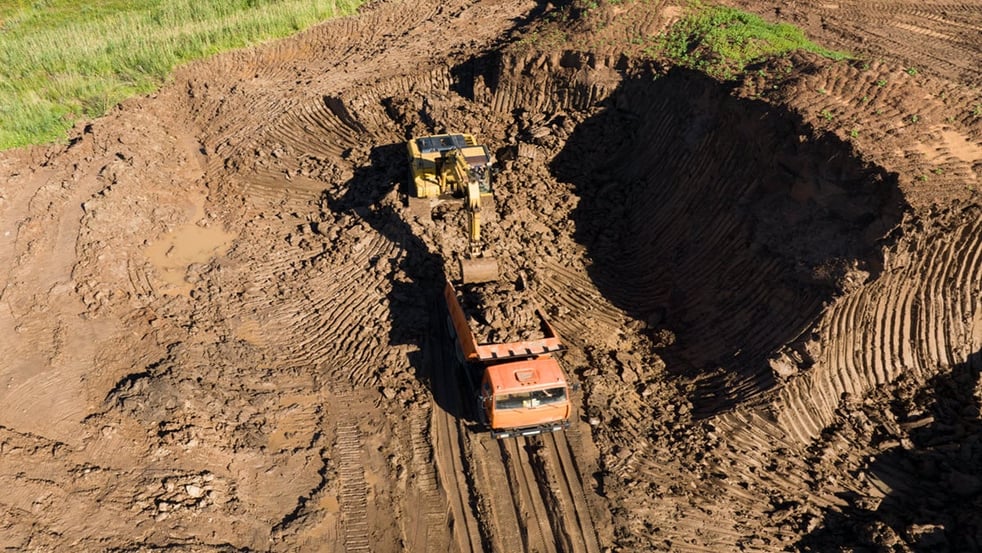
This clay cargo is commonly dug from open mines and trucked to a stockpile storage area close to the port, which is usually exposed to the weather.
This cargo is primarily shipped from the ports of Lumut and Port Klang to Bangladesh, Taiwan, Vietnam, and China.
Clay is also commonly known by its trade name, “Ball Clay”, according to the BIMCO solid cargo database.
Members are advised to take extra caution when loading this cargo during the Northeast monsoon (November – March) where the stockpile areas and mines are exposed to heavy rain. This is the wettest season in the Malaysian Peninsula.
The southwest monsoon (June – September) brings a drier climate with moderate rain at these ports.
Cargo loading observations
As reported during cargo operations attended by Skuld-appointed surveyors, aside from the can tests showing an excessive presence of moisture, another clear telltale sign of wet clay is when this cargo is in a splattered condition on the trucks and/or when observed in splattered and flattened condition in the cargo holds.
Again, it must be stressed that despite a "Group C" classification, if clay is damp or wet during loading, it may pose liquefaction risks similar to those of Group A.
Loss Prevention
Since Clay is grouped as C, shippers and charterers may try to avoid performing the necessary laboratory tests to determine the FMP, TML and MC.
It is important for members to demand for these tests results to come from a recognised and competent laboratory in accordance with the IMSBC code.
We have also seen cases where shippers conducted tests in their in-house laboratories without validation from a competent local authority.
Members are to ensure cargo inspection, sampling, and testing prior to loading, as a contractual right agreed upon in the charterparty.
It is important for the crew to carry out can tests and closely monitor any signs of wet cargo e.g. signs of cargo splattering and flattening.
At the load port, masters are to be given adequate support to exercise their overriding authority in rejecting wet, unsafe cargo.
The crew must ensure that the vessel’s cargo worthiness is properly maintained at all times to support the safe carriage of cargo.
Skuld recommends that members appoint a competent surveyor to assist with the joint sampling, stockpile inspections, and to monitor safe loading of this cargo.
Conclusion
It is worth noting that the IMSBC Code is not carved in stone and is a work in progress.
The IMSBC Code is subject to periodic amendments to reflect newly identified cargoes, emerging hazards and enhanced safety requirements, based on industry research and findings from casualty investigations.
The IMSBC Code has its limitations, so the ship's crew must use professional judgement and consider real-world conditions. Compliance with the Code alone is not enough; crew must always apply a high level of caution and implement preventive measures based on actual shipboard, cargo and port conditions.
For safety advice regarding this cargo, please contact Skuld’s Loss Prevention department.
[ Reference: IMSBC Code, BIMCO, Admiralty Sailing Directions, The Star, The Malay Mail, SPICA and Brookes Bell]
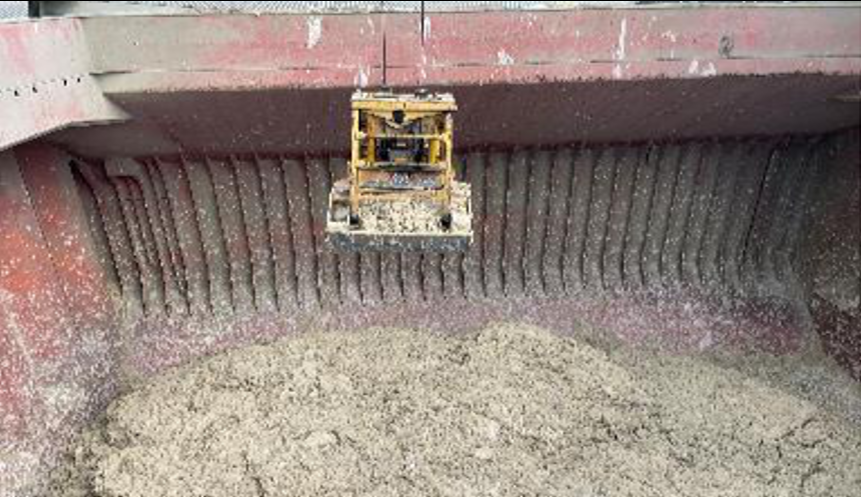
Picture 1: Clay cargo loaded in holds with signs of splattering (Credit: SPICA)
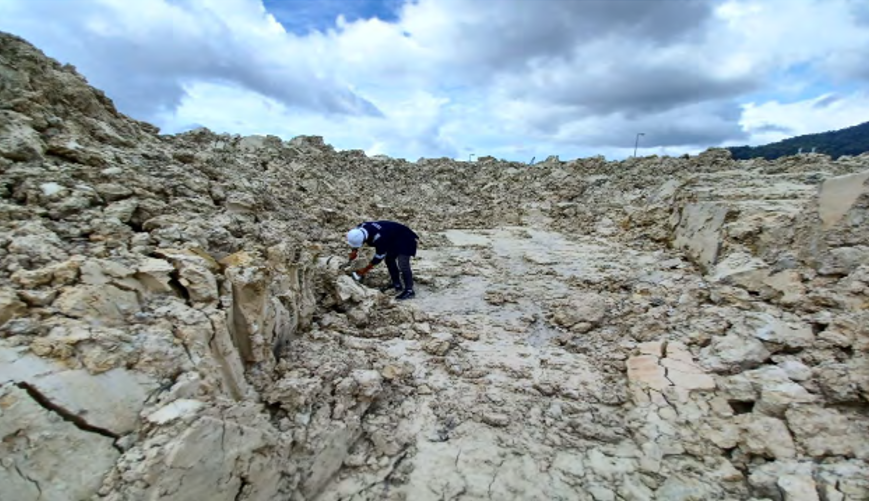
Picture 2: Open exposed stockpile area for the clay (Credit: SPICA)
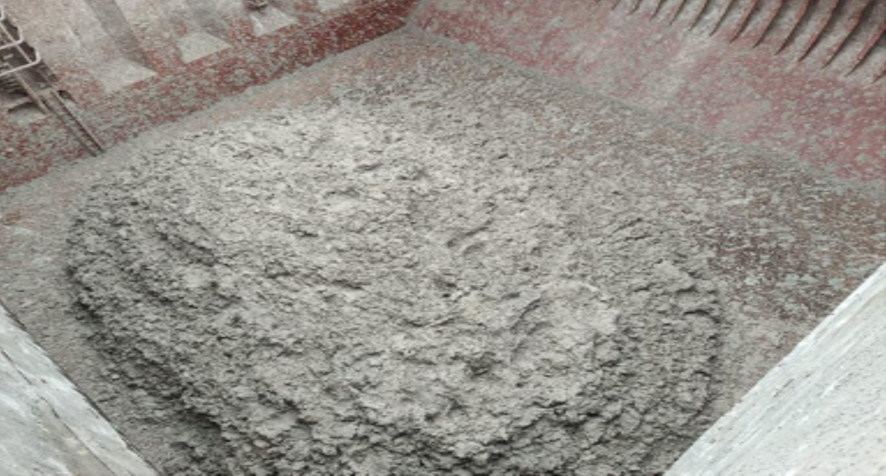
Picture 3: Clay cargo showing signs of splattering and flattening in cargo hold (Credit: SPICA)
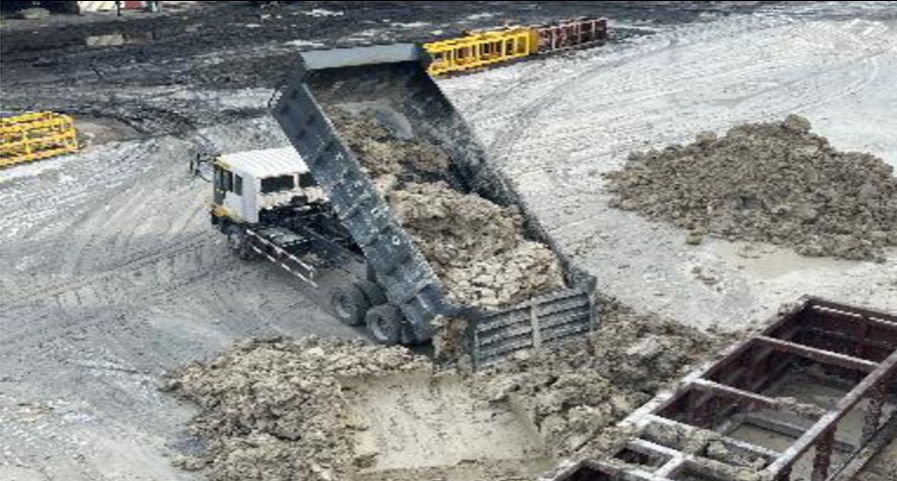
Picture 4: Clay cargo trucked to ship side for loading with signs of splattering (Credit: SPICA)