


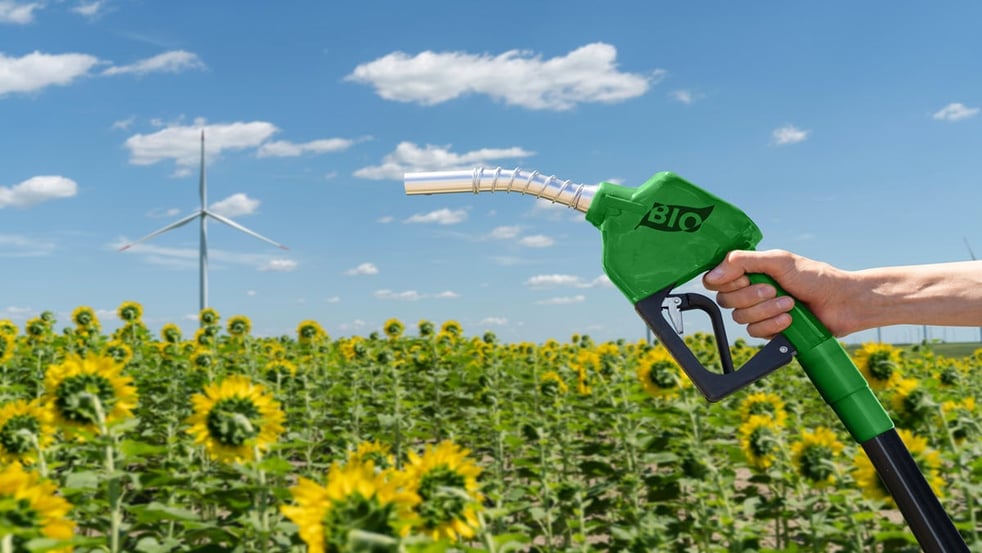
Biofuels are renewable fuels derived from biological sources, such as agricultural crops, waste, or residues, designed to reduce greenhouse gas emissions.
Since we received our first inquiry on the use of biofuels back in the last quarter of 2019, we have seen different kinds of challenges.
The first type of biofuels we received questions on was FAME (Fatty Acid Methyl Esters). FAME is a mixture of Fatty Acid Methyl Ester that has similar properties to those of conventional fuel, and this type of biofuel is a good alternative as a ‘drop-in-fuel’.
However, FAME is unstable due to either unsaturated products in the fuel or the oxygen in the fuel, causing rancidification over time. FAME-based fuels can increase their instability if alcohol or water is present, and they are susceptible to thermal degradation and degradation if the fuel is exposed to light. It also has poor long-term stability and poor cold-flow properties. When FAME oxidises, the fuel becomes increasingly acidic and viscous, forming solid deposits that can cause operational issues for the engine, such as blocking filters and pipes, leading to fuel starvation and engine problems.
So far, from various trials and consumption on board insured vessels, our experience is that FAME is reliable and effective. FAME-based biofuels are reliable ‘drop-in fuels’ that can be readily used with existing ship engines, but of course, with the approval of the engine manufacturer.
Another type of biofuels is CNSL (Cashew Nutshell Liquid) which is an example of the explored options for ‘drop-in fuels. CNSL is a byproduct of cashew nuts and serves as a low-cost, renewable fuel alternative. Its characteristics include high levels of acidity, which make it highly corrosive and have poor combustion properties. However, it does improve lubricity and the energy content of the fuel blend. CNSL typically contains phenolic compounds, which have a high chance of polymerisation and can become unstable.
Recently, during the last quarter and first quarter of 2024/2025, Skuld has seen several vessels reporting operational problems, mainly related to the fuel system, like injector failure, filter and heater clogging, fuel sludging, and deposit build-up due to fuel contamination. These issues were detected by extended Gas Chromatography Mass Spectrometry (GCMS) testing of Heavy Fuel Oil (HFO) and Very Low Sulphur Fuel Oil (VLSFO) samples from the vessels. The tests showed a high presence of phenolic compounds of cardol, cardanol and anacardic acid.
CNSL blends can cause serious problems for engine components, including accelerated wear and tear on the fuel pump, cracks in the fuel system, and poor engine performance, resulting in a loss of power.
Lately we received some inquiries from our members on UCOME (Used Cooking Oil Methyl Ester) as this is cheaper alternative. This is derived from the waste-based oil, cooking oil and animal fats, typically blended with conventional fuels such as B24 or B30 blends. UCOME is fully compatible with the existing marine engines as a drop-in fuel.
However, some challenges we have seen with this type of biofuel are limited supply and operational stability. UCOME has tendency to absorb water, potentially leading to microbiological growth and filter clogging. There is also the issue of long-term storage like any other type of biofuels. At the time of writing we have not seen any claims from our members on damage to engines related to UCOME blended fuels.
With stringent decarbonisation regulations already in force within the EU/EEA, the European authorities are now focusing on greenhouse gas (GHG) emissions from ships sailing in EU/EEA waters and on the GHG intensity of the fuels burnt on board. The shipping industry needs to shift to low- or zero-carbon-emission fuels, including various biofuels.
Skuld’s key takeaways from our members' experience.
- Biofuel as fuel oil ‘drop in fuel’ is already in the market.
- Fuel quality is important for the main engine and auxiliary engines.
- ISO standard ISO 8217:2024 for Bio residual marine fuel specification is advised to be used when testing the fuel.
- A fuel analysis should always be carried out before using the bunkered fuel.
- Not to use untested or unestablished biofuel products for marine diesel engines.
- It is important to always conduct a good vetting procedure when selecting bunker suppliers.
Members may contact Skuld’s Loss Prevention department for any clarification on this topic.