


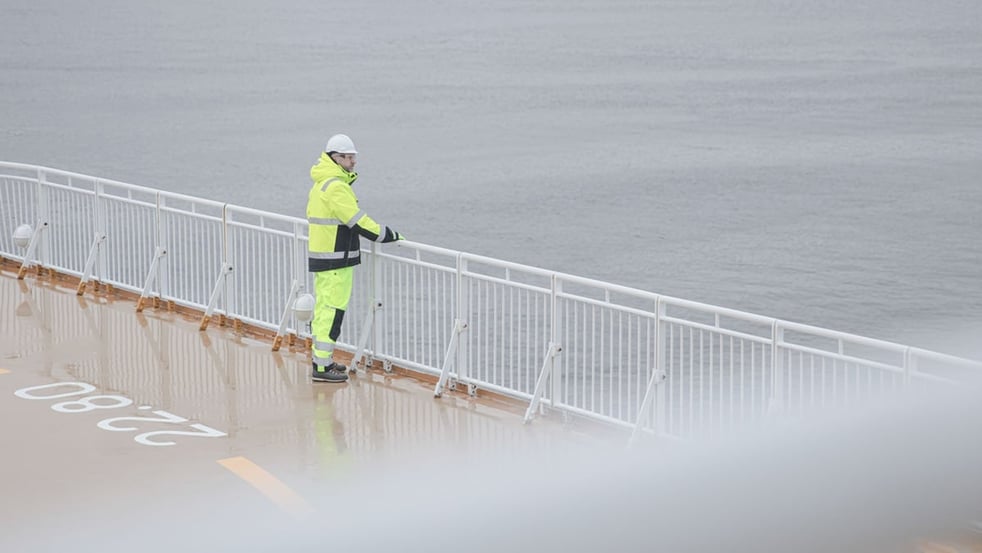
The OCIMF Focused Inspection Campaign (FIC) is currently in force under the SIRE 2.0 inspection program. This campaign, which began on 1 October 2025, will run for at least six months, during which every SIRE 2.0 inspection will include an emphasis on maritime security preparedness. The background for the initiative is heightening concern over ongoing geopolitical tensions and evolving security threats that can impact crew safety and the vessel's operations.
The Focused Inspection Campaign on Maritime Security aims to verify that tankers have effective ship hardening measures, that security procedures are in place, and that the crew is familiar with them.
- Crew familiarity with security procedures
Officers and crew should demonstrate awareness of the security protocols (i.e. watch routines, emergency communication, escalation procedures) without sharing confidential information. - Physical ship hardening measures
Inspectors will observe visible defensive measures such as anti-boarding barriers, controlled access points (locked or monitored doors, gates), secure bridge and engine room arrangements, functionality and use of CCTV or alarm systems. - Access control and watchkeeping
The campaign will verify that access to the ship is controlled effectively – for instance, gangway security, visitor identification checks, and vigilant watchkeeping, especially during port calls, when transiting or at anchor in sensitive regions. Crews should understand their duties for controlling access and detecting unauthorised boarding attempts as early as possible. - Drills and training
Evidence of recent security drills or training exercises (aligned with ISPS Code requirements and BMP5 best practices) will be reviewed. The inspector should only verify that the drill has been completed; the content of the drill shall remain confidential.
Best practice frameworks and confidentiality
We would like to emphasise that all security measures on board should be based on existing industry frameworks and the company / vessel’s own security risk assessments:
- ISPS Code Compliance
Every SOLAS ship operates under the International Ship and Port Facility Security (ISPS) Code, which mandates a Ship-specific Security Assessment (SSA) and Ship Security Plan (SSP). The SSP is a confidential document held by the ship/operator and shall not be shared with third parties. SIRE inspectors have no authority to demand access to the detailed security plan documentation. Members are reminded to maintain the confidentiality of their security plans – for example, officers should not feel compelled to show written security procedures, locking arrangements or diagrams to an inspector. - BMP5 and High-Risk Area Guidance
For ships trading in areas prone to piracy or armed attacks, the latest Best Management Practices (BMP5) provide industry-standard measures for hardening and watchkeeping. These include guidance on watch schedules, citadel preparation, transit planning, and coordination with naval forces. Compliance with BMP5, where applicable, is considered a strong indicator of proactive security management. It is important to ensure that the crew is familiar with BMP5 recommendations, such as using deck lighting, water spray, and evasive manoeuvres, as appropriate to the voyage. - OCIMF SIRE 2.0 Guidelines (Chapter 7 – Maritime Security)
The SIRE 2.0 inspection regime itself includes a dedicated section on security. Chapter 7 of the SIRE 2.0 Inspection Questionnaires covers maritime security policies, training, and equipment. Members should review their practices against these published expectations. For instance, SIRE 2.0 guidance highlights the importance of having up-to-date risk assessments for voyages, security briefings for crews, and proper maintenance of all security-related equipment. Aligning with SIRE 2.0 guidance will not only prepare you for the FIC checks but also improve your vessel’s overall security risk management.
Potential implications for members
It is important to view this FIC as an opportunity to reaffirm and potentially strengthen good security practices:
Vetting and chartering impact
Since the FIC-related observations will form part of the SIRE 2.0 inspection report, oil majors and other vetting stakeholders will see how the vessel performed on the security-related questions. Strong compliance will reflect positively in vetting records. On the other hand, if inspectors note gaps, for example, uncertainty about procedures or missing/inoperable security equipment, it could raise concerns. Charterers might seek assurance that any deficiencies are promptly rectified. In extreme cases, poor FIC results could delay or jeopardise approvals for charter employment until issues are addressed.
Insurance and risk exposure
From an insurance perspective, an emphasis on maritime security aligns with practical risk management. Vessels that implement security plans and follow established best practices tend to face fewer security incidents, which in turn reduces exposure to related claims (whether P&I claims for crew injury, hull war damage claims, or business interruption).
Prioritising security preparedness is not just about good SIRE inspection results – it contributes to the overall safety of the crew, protection of the assets and continuous commercial operation, which benefits both the shipowner and the insurer.
Our approach and conclusion
Skuld’s role is to support you with information and context on emerging risks and industry initiatives. We are writing this circular letter to raise awareness of the OCIMF Maritime Security FIC and its implications. It is important to mention that practical measures should be based on your own security risk assessments and company policies. Every vessel and trade route has different security challenges, and risk-based safeguards should be implemented accordingly. Our recommendation is to continue adhering to the ship security plans and best practices you have in place, and to ensure that your crews are well aware of the potential risks and have been thoroughly drilled on security procedures.
For any questions about the FIC or maritime security in general, please contact Skuld’s Loss Prevention department at any time.